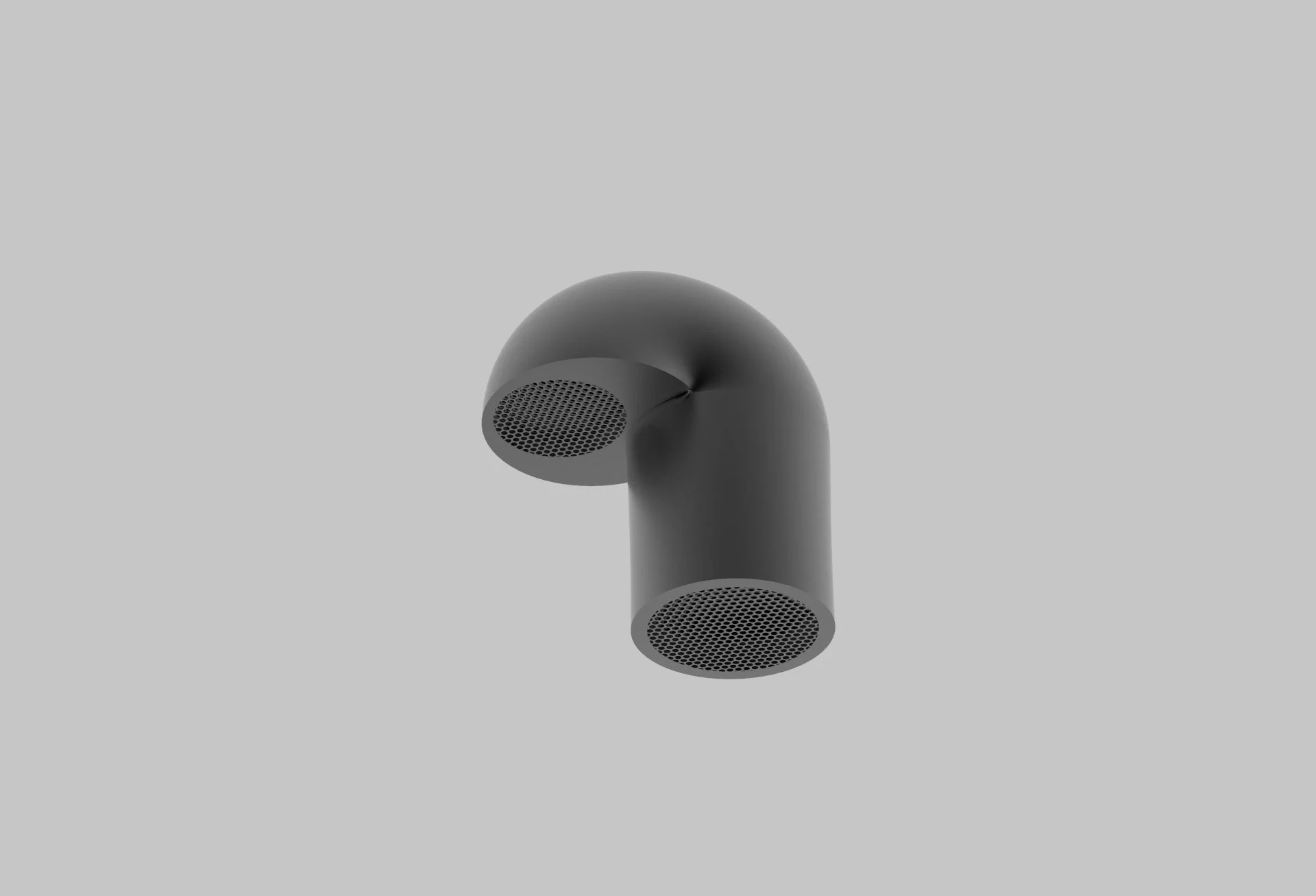
InnoSense Air Quality Monitoring
Designing modular, trusted devices for real-time urban air quality tracking..
Role: Co-designer and researcher with Montaag Design.
Client: NILU & Norselab.
Air pollution causes 11.6% of global deaths each year—an estimated 6.5 million when both indoor and outdoor sources are considered—disproportionately affecting vulnerable populations such as women, children, and older adults. With urbanization and industrialization accelerating, the need for effective monitoring and reduction has become urgent.
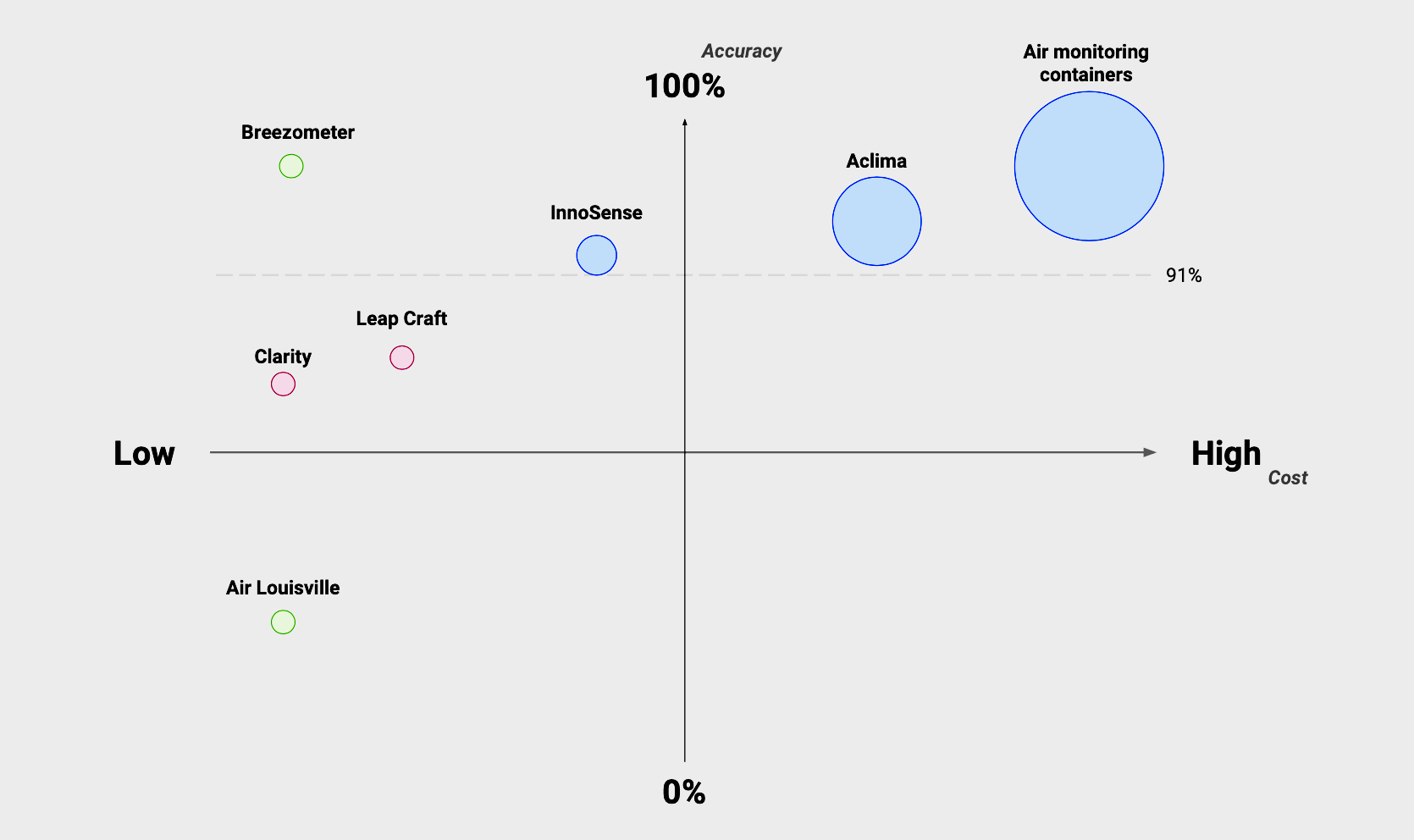
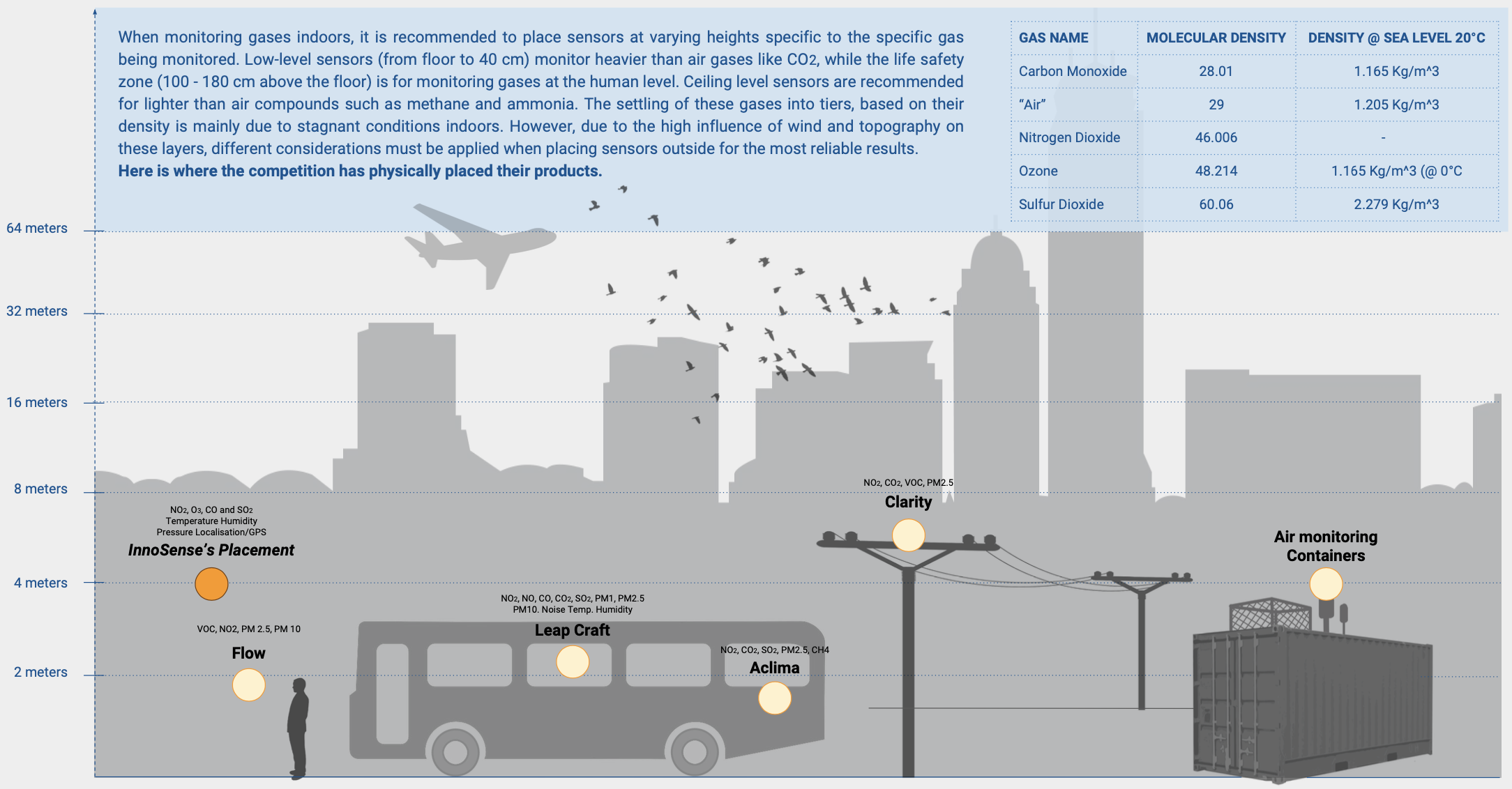
The global air quality monitoring market is projected to grow steadily, reaching USD 4.9 billion by 2022 with a compound annual growth rate of 4.6%. Yet when surveying the competitive landscape, one clear gap emerged: no existing competitor offered compact, regulation-compliant sensors smaller than a mini fridge. This presented an opportunity for innovation in both design and deployment.
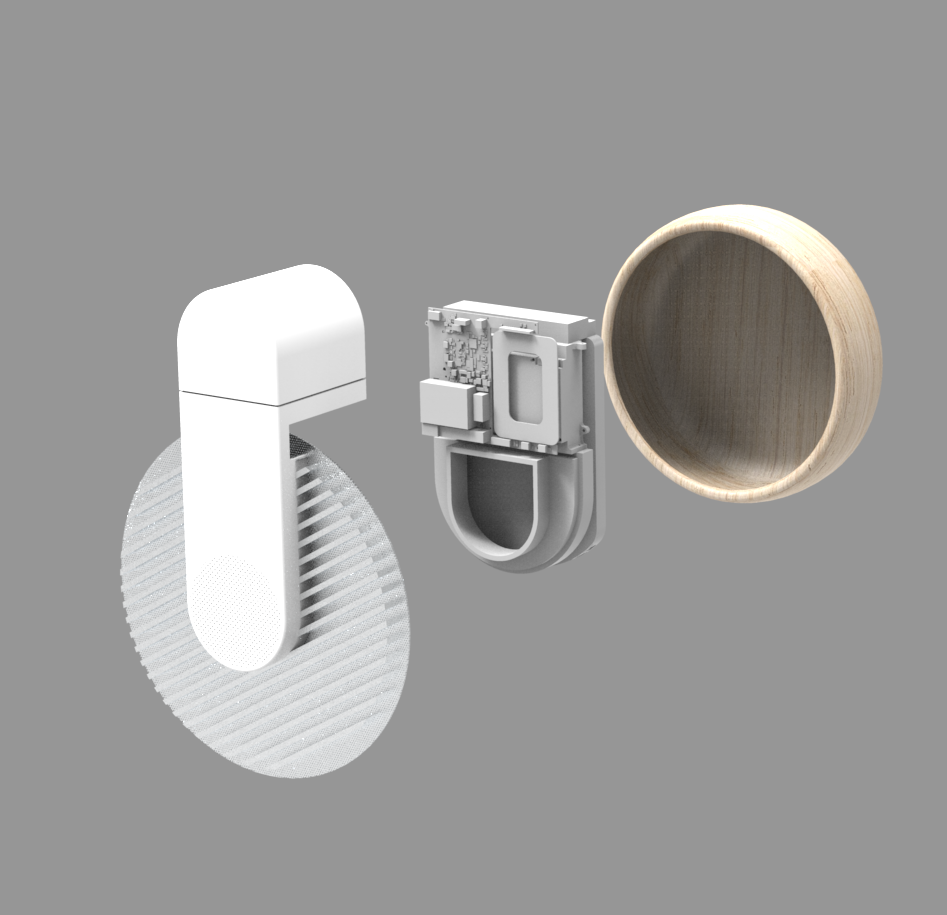
The InnoSense concept was developed as a self-contained, modular system designed to live in the urban realm. Its form factor was conceived to generate brand recognition and trustworthiness while remaining unobtrusive, intuitive, and reassuring in public space.
Key design principles included:
Modularity – allowing the system to evolve with new functions and upgrades over time.
Self-contained power – integrating solar panels and battery packs to reduce reliance on city grids and lower maintenance costs.
Compact efficiency – ensuring a smaller footprint with consolidated components, lowering installation costs.
Dynamic data filtering – providing tailored insights to different stakeholders, from policymakers to the public.
Scalable mobility – envisioning integration with public infrastructure such as buses, trams, and trains to expand real-time monitoring at a metropolitan scale.


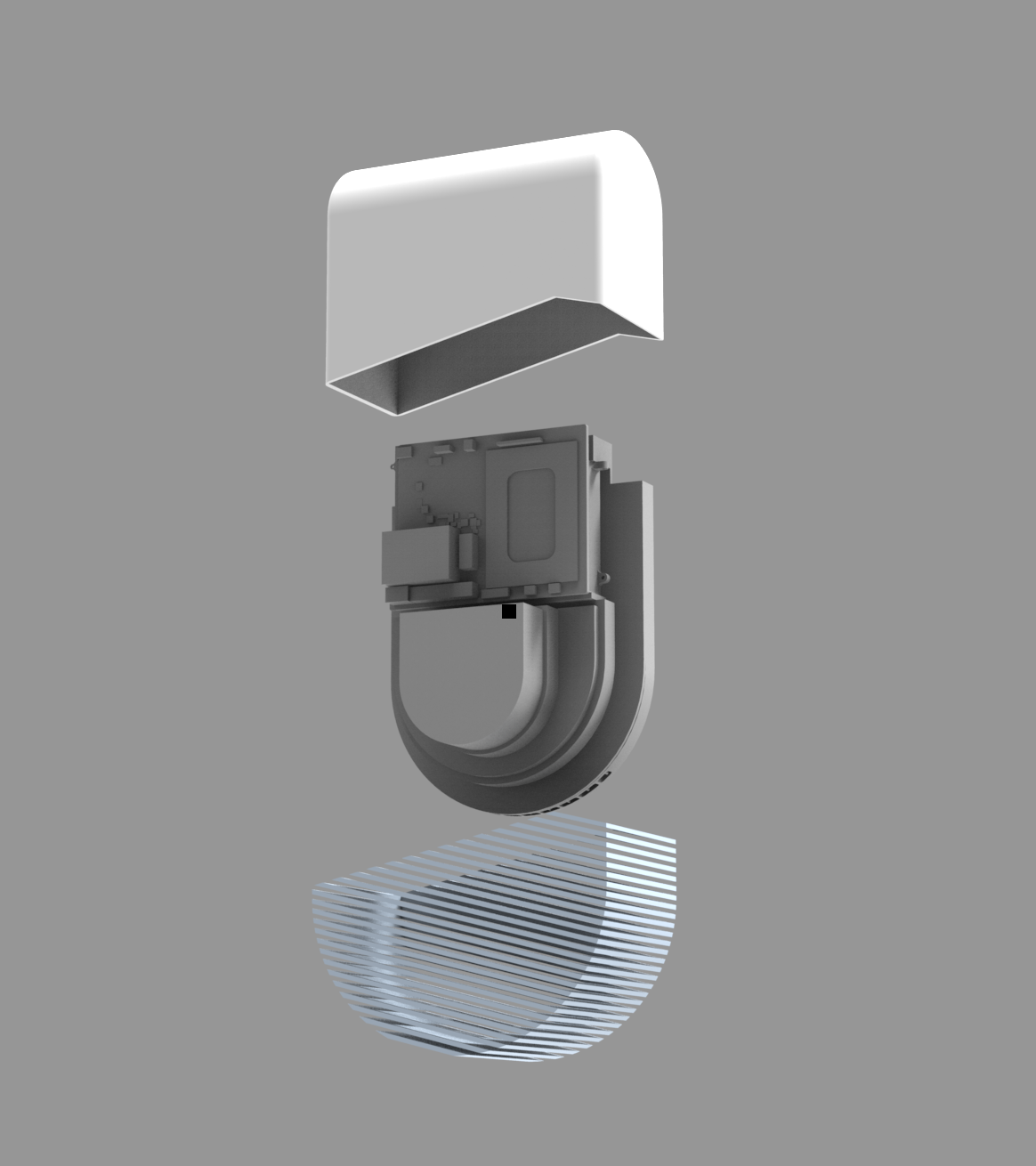


InnoSense reframed air monitoring as both a design and trust challenge: to make invisible data visible in a way that is reliable, accessible, and actionable. By bridging technology, design, and behavioral insight, the concept pointed toward new best practices for cities seeking to combat one of the world’s most pressing public health challenges.